 International Earth Science Competition
Clear explanations of key ideas in earth science, one concept at a time.
Topics: All articles | Earth Science Explained | Exam Preparation | Problems and Solutions | Studies and Careers | Competition News

Why Can't S Waves Travel Through Liquids?
A solid can spring back after being pushed sideways. A liquid flows instead. That difference leaves a pattern in earthquake records that reveals Earth's liquid outer core. Read more
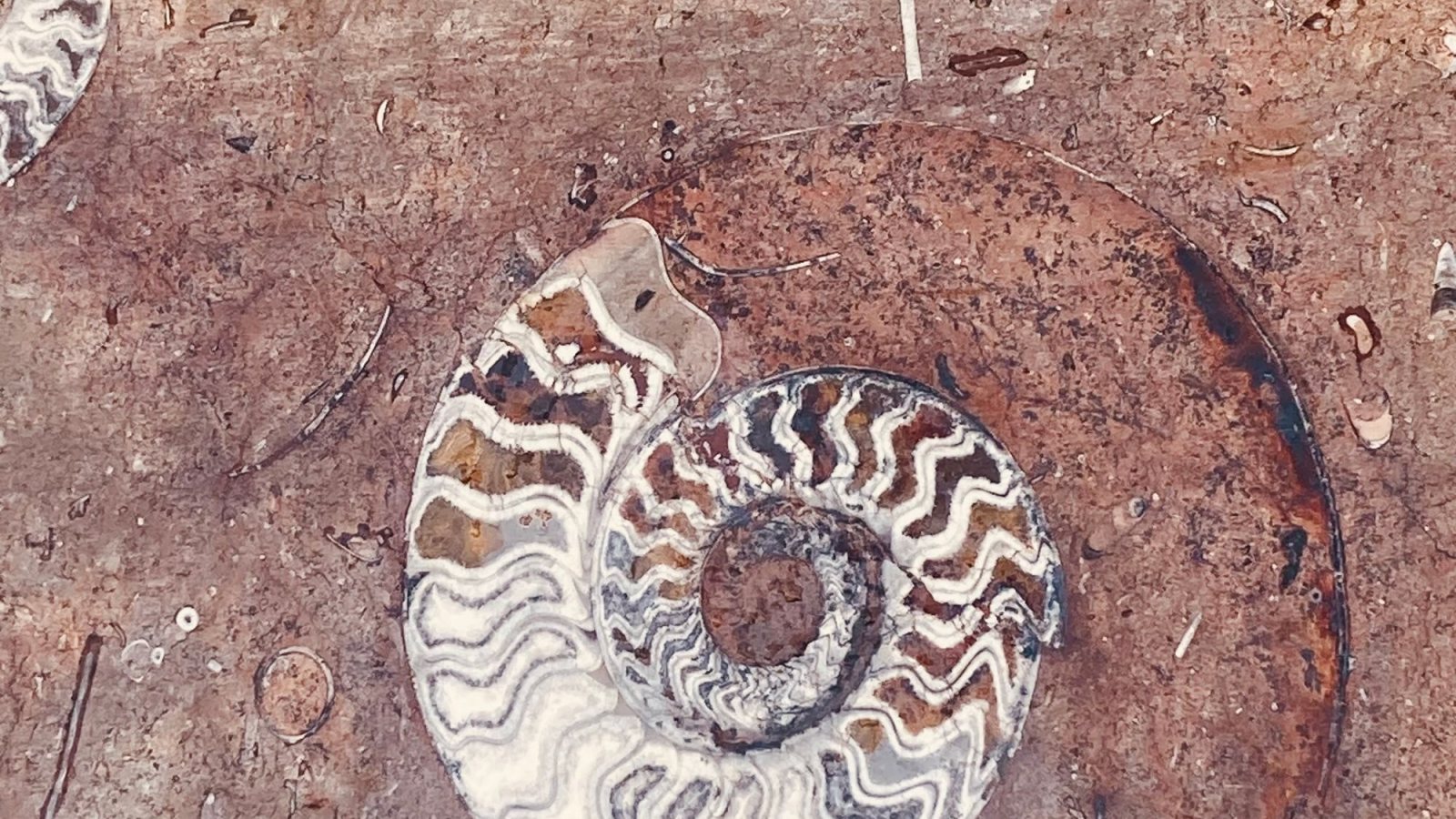
What Is an Index Fossil and How Does It Date Rock Layers?
A fossil found far from where you first saw it can help you match two rock layers. The key is how widely its species lived and how briefly it existed. Read more
What Is a Thermocline and How Can Wind Move It?
Compare ocean temperatures at different depths to find the thermocline, then use a second profile to see what wind mixing can change. Read more

Why Do Rivers Meander and How Does One Bend Move?
Follow one river bend from a crumbling outer bank to a growing sandbar, then use aerial photos to see how far the channel has moved. Read more
What Is a Perched Water Table and How Does It Feed a Spring?
A spring halfway up a hillside can come from a shallow pocket of groundwater. The clue is an unsaturated zone between that pocket and the main water table. Read more
What Is the Rain Shadow Effect and Why Does Wind Matter?
A mountain’s wet side depends on which way moist air moves. Follow the air across Washington’s Cascade Range, then predict what happens when the wind reverses. Read more